
Black Widow Spiders
Black Widow Spiders can be difficult to identify from a single photo. If you are seeing this pest in a Minnesota home or home or site, match the specimen with the area, useful evidence, and timing before choosing a next step what to do. This guide explains the real-world clues to check and the next steps that reduce guesswork.
- Where to check: garages, sheds, crawl spaces, wood piles, cluttered corners, and protected outdoor storage
- Valuable evidence to note: webs, egg sacs, repeated sightings, prey insects, movement in storage areas, and seasonal exterior movement
- Concern level: High; urgency depends on site, exposure, damage, and a reasonably established species identification.
- Best first step: Identify the spider, remove webs and clutter, limit prey insects, and treat cracks or exterior harborages
- Free inspections
- Species ID first
- Pet-conscious service
- Colony-focused treatment
- Re-service guarantee
What to look for
How to Identify Black Widow Spiders
Appearance and specimen
Zone pattern
Supporting evidence
Conditions behind the issue
What they are
What Black Widow Spiders Activity Can Tell You
The setting narrows the ID
Pest pressure around garages, sheds, crawl spaces, wood piles, cluttered corners, and protected outdoor storage gives the specimen helpful context. If the setting does not fit, cross-check the pest again with its lookalikes before taking action.
The source drives recurrence
The condition most relevant to this page is spider movement usually reflects shelter, insect prey, and undisturbed edges rather than a simple isolated pest. Correcting the origin is usually more durable than repeatedly removing only what is visible.
Lookalikes change the action
Similar-looking pests include cellar spiders, wolf spiders, hobo spiders, brown recluse spiders, ticks, and pseudoscorpions. Confirming the category and origin matters because prevention, exclusion, sanitation, monitoring, or treatment can differ.
Where it turns up
Where Black Widow Spiders May Be Found in Minnesota
Common places
- Garages
- Sheds
- Crawl spaces
- Wood piles
- Cluttered corners
- And protected outdoor storage
What an inspection checks
- Webbing zones
- Corners
- Cracks
- Exterior light areas
- And insect entry points
Why it happens
spider activity usually reflects shelter, insect prey, and undisturbed edges rather than a simple isolated pest
Timing matters
Seasonal Clues for Black Widow Spiders in Minnesota
Spring
Spring pest activity often follows the return of prey insects around foundations, garages, basements, and exterior lights.
Summer
Summer can increase web building and hunting around lights, landscaping, storage zones, and other places where insect prey is concentrated.
Fall
Fall is a common time to notice spiders moving around buildings or becoming more visible indoors as outdoor conditions change.
Winter
Winter sightings are usually concentrated in protected interior spaces; ongoing pest pressure is a reason to examine both harborage and the insects serving as prey.
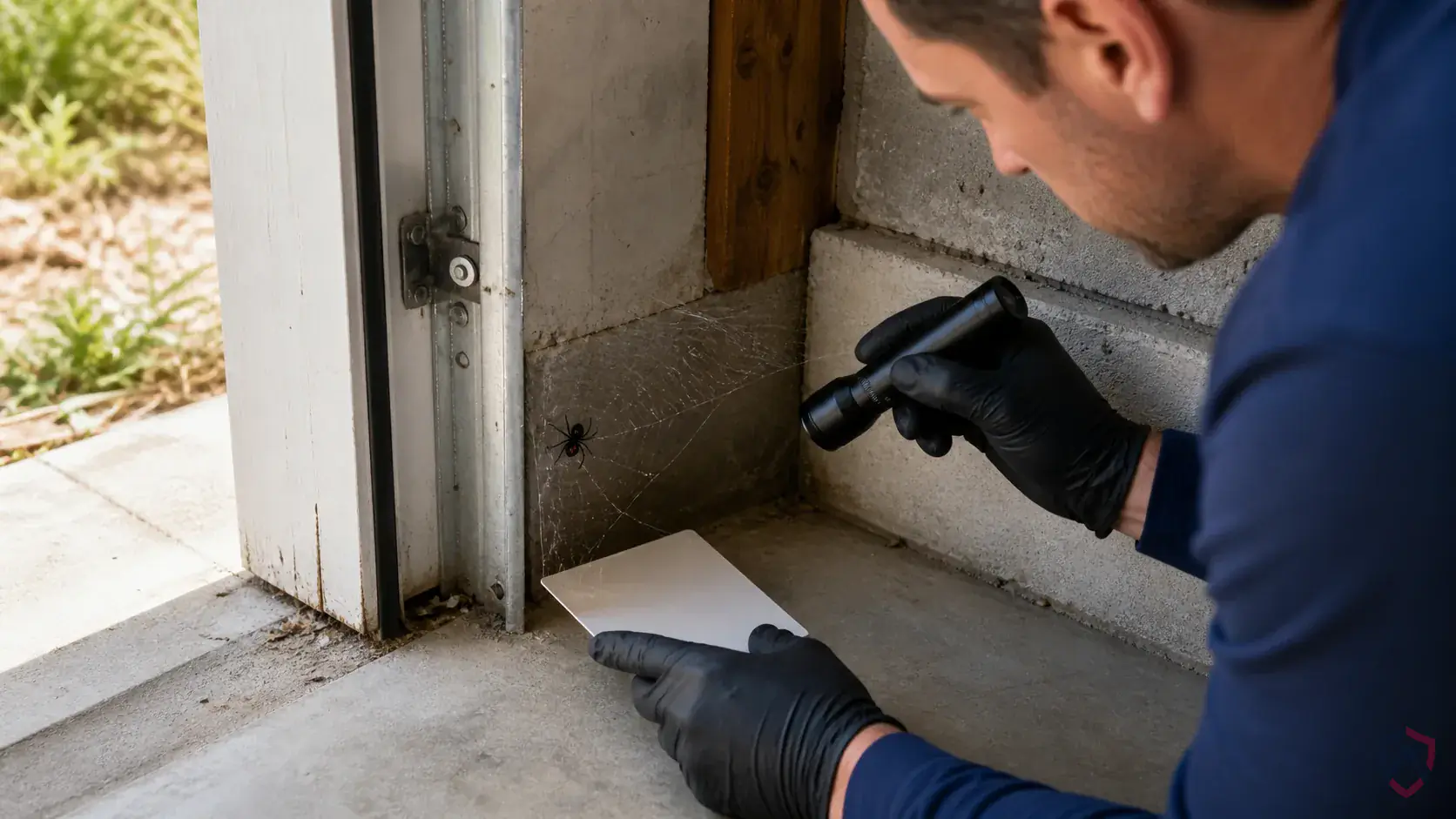
How Ankora handles it
How to Respond to Suspected Black Widow Spiders
Confirm the ID
Trace the origin
Choose a proportionate next step
Verify the result
Before the visit
What to write down Before Requesting Help
Exact zone
Write down the room, exterior side, host, plant, storage area, shoreline, entry point, or other precise area. For this page, match your sighting with garages, sheds, crawl spaces, wood piles, cluttered corners, and protected outdoor storage.
Timing and pattern
Note when the pest pressure occurs, whether it repeats, recent weather or travel changes, and whether cleaning, moving an item, or temporary control changed the pattern.
Photo and physical evidence
When you can do so safely, save a clear photo and note useful evidence such as webs, egg sacs, recurring sightings, prey insects, movement in storage areas, and seasonal exterior movement. Avoid destroying the most useful clues before species identification.
When to worry
When Black Widow Spiders Needs Faster Attention
This guide assigns a high concern level, but urgency depends on the actual situation. Escalate sooner when there are bites or stings, allergic reactions, contamination near food, significant structural or plant damage, repeated indoor movement, wildlife inside occupied spaces, or any safety issue. Use emergency or medical services for immediate health threats rather than relying on a pest page.
- IDspecimen + setting
- Supporting evidencecapture repeats
- Origincorrect the cause
- Preventionmonitor the same zone
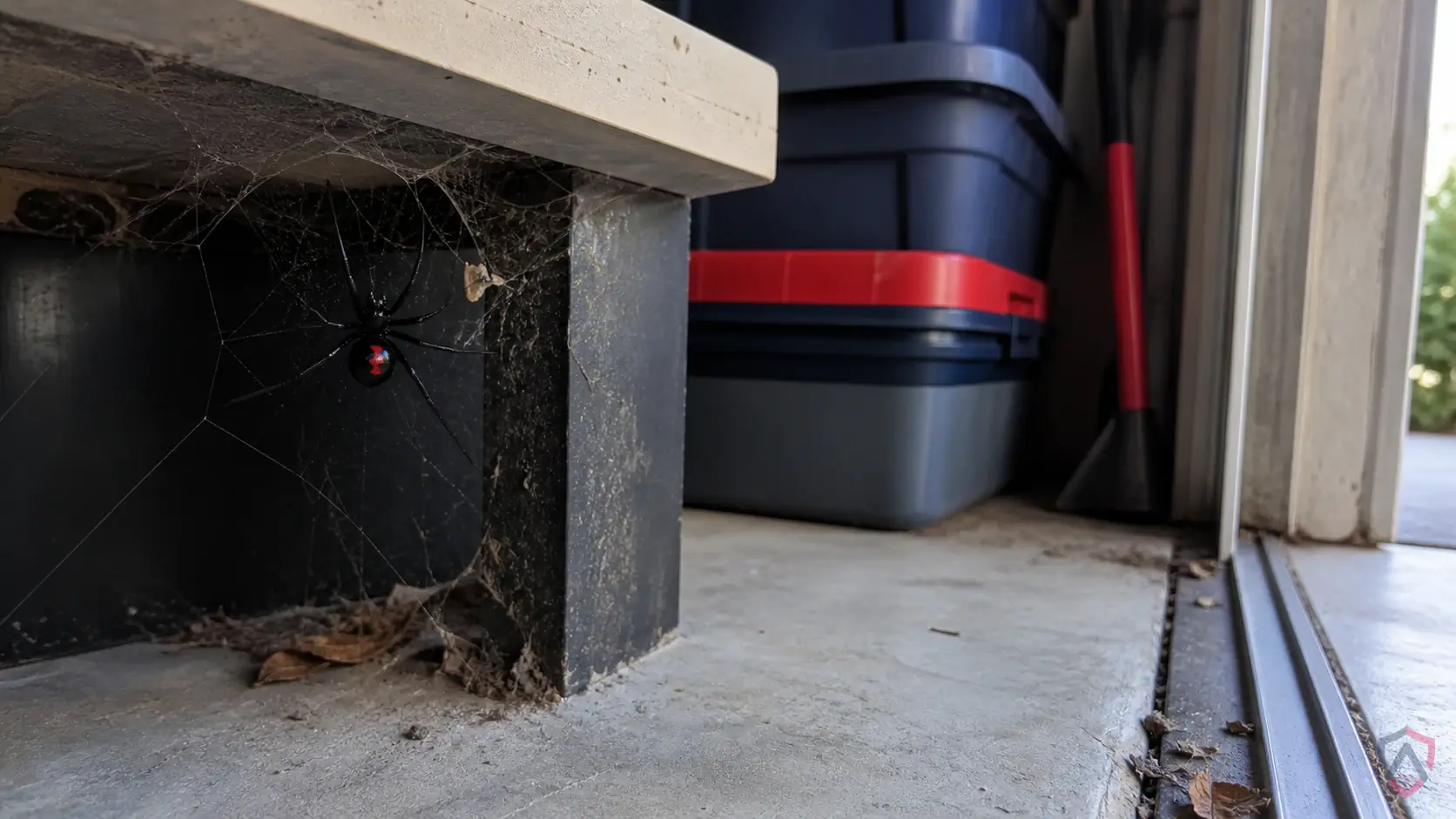
Prevention
How to Prevent Repeat Black Widow Spiders Activity
Reduce favorable conditions
Vacuum webs, lower clutter, seal gaps, manage exterior lighting, and treat insect pressure around the perimeter
Cut down access or exposure
Where relevant, repair or manage the route connected to garages, sheds, crawl spaces, wood piles, cluttered corners, and protected outdoor storage. The correct step may involve sealing a structural gap, improving storage, changing moisture conditions, protecting a host plant, securing food or waste, or modifying habitat rather than applying a pesticide.
Monitor the original evidence
Recheck the same site after prevention or service work. Check for the original informative evidence, webs, egg sacs, repeated sightings, prey insects, activity in storage areas, and seasonal exterior movement, and write down whether the pattern is declining, unchanged, or moving to another underlying cause area.
Questions
Black Widow Spiders FAQs
Start with the specimen, then check whether the setting and signs agree. For this guide, compare the sighting with garages, sheds, crawl spaces, wood piles, cluttered corners, and protected outdoor storage. Valuable valuable evidence includes Webs, egg sacs, returning sightings, prey insects, pest pressure in storage areas, and seasonal exterior movement. Also compare close lookalikes before treating.
The most relevant locations for this page are garages, sheds, crawl spaces, wood piles, cluttered corners, and protected outdoor storage. A Minnesota sighting does not by itself confirm the species, so use the exact micro-area, season, and repeating physical evidence to support the ID.
Check for a consistent pattern rather than one isolated sighting. The evidence used on this page includes Webs, egg sacs, returning sightings, prey insects, activity in storage areas, and seasonal exterior movement. Photograph or note the signs before cleaning or disturbing the area when you can do so safely to do so.
This guide rates the concern level as high. The actual urgency depends on exposure, damage, area, and a supported species identification. Get help sooner for bites or stings, contamination, structural damage, wildlife inside occupied spaces, or any immediate safety concern.
Minor activity may improve when the underlying cause is corrected. For this page, the origin context is spider activity usually reflects shelter, insect prey, and undisturbed edges rather than a simple isolated pest. A actionable first step is to Identify the spider, remove webs and clutter, cut down prey insects, and treat cracks or exterior harborages. Avoid broad treatment until the identification is supported, and use a specialist when the issue is outside ordinary residential pest control.
Prevention should match the supporting condition and zone. Start with: Vacuum webs, lower clutter, seal gaps, manage exterior lighting, and treat insect pressure around the perimeter. Then monitor the same area for the original signs. If pest activity returns or the supporting condition is hidden, request an inspection or the appropriate specialist.
Not sure whether it is Black Widow Spiders?
If the movement is inside or around a Twin Cities home or site, Ankora can help you identify what you are seeing and tell you whether it fits our residential service model. A free inspection is the right next step for pests Ankora handles; specialized wildlife, plant, medical, or structural issues may require a different professional.
Quick answer: what should you do if you find Black Widow Spiders?
First, confirm the ID using the specimen, the site, and repeating evidence. Then look for the origin of the issue, spider movement usually reflects shelter, insect prey, and undisturbed edges rather than a simple isolated pest. Limit that supporting condition where real-world, avoid broad treatment before the pest is reasonably established, and seek professional help when movement repeats, safety is involved, or the supporting condition is hidden. Authoritative background references for this guide are University of Minnesota Extension and University of Minnesota Extension.