
Minnesota is one of the higher-risk Lyme disease states in the country, and the risk isn’t just up north at the cabin. Blacklegged ticks, the deer ticks that carry Lyme, are established throughout the wooded parts of the Twin Cities metro, in the oak woods of Anoka and Washington counties, along river corridors, and in plenty of ordinary backyards that border woods or tall grass.
When the risk peaks
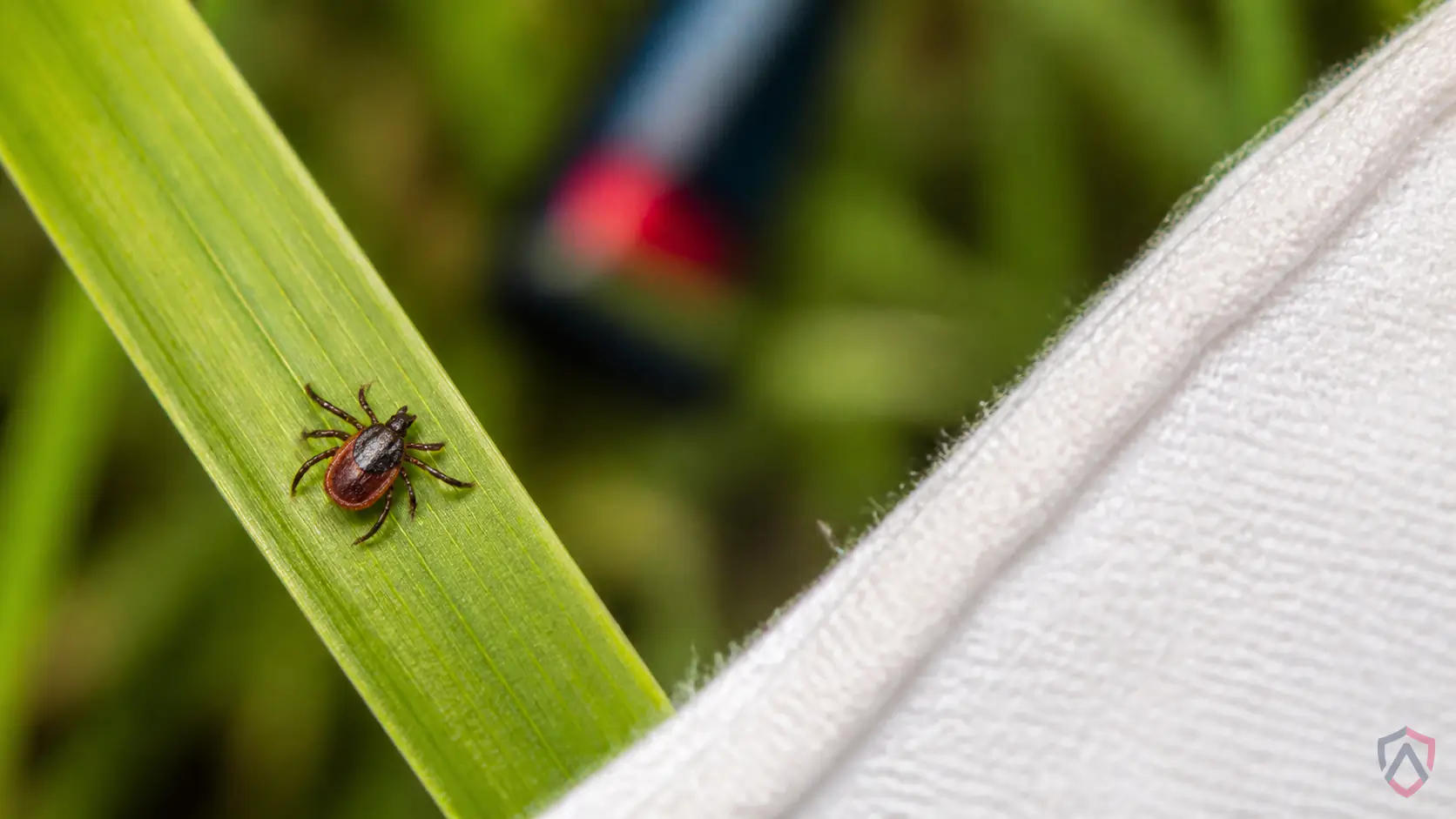
The most dangerous stage is the nymph, active from roughly mid-May through July. Nymphs are poppy-seed small, easy to miss for the day or more of attachment it typically takes to transmit the Lyme bacterium, and they’re responsible for most human cases. Adult ticks have a second season in October and November, and they’ll quest on any winter day above freezing without snow cover, which surprises people every March.
Where ticks live in a yard, and where they don’t
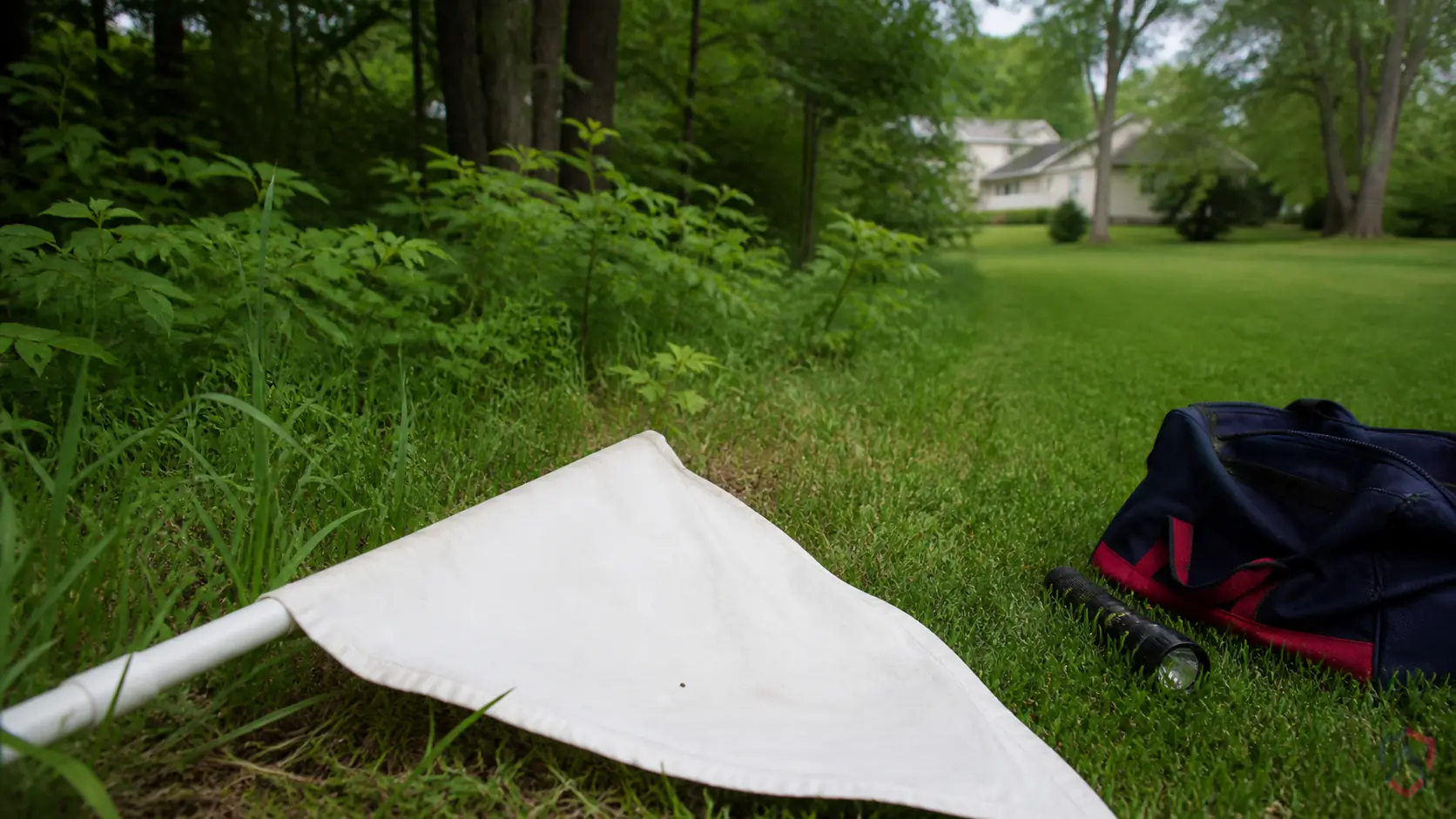
Blacklegged ticks dry out fast, so they stick to humid, shaded habitat: leaf litter, woodland edges, tall grass, ground ivy, the shady strip behind the shed. Studies keep confirming that sunny, mowed lawn is poor tick habitat. That gives you a map of what to fix:
- Clear leaf litter and brush from the yard edge each spring
- Keep grass short and let sunlight into shaded margins where you can
- Put a three-foot border of wood chips or gravel between woods and lawn; ticks rarely cross dry barriers
- Move play sets and seating away from the tree line into sun
- Manage what draws deer and mice, the tick taxi service: deer-attractive plantings at the woodline and brush piles that shelter rodents
What professional treatment does
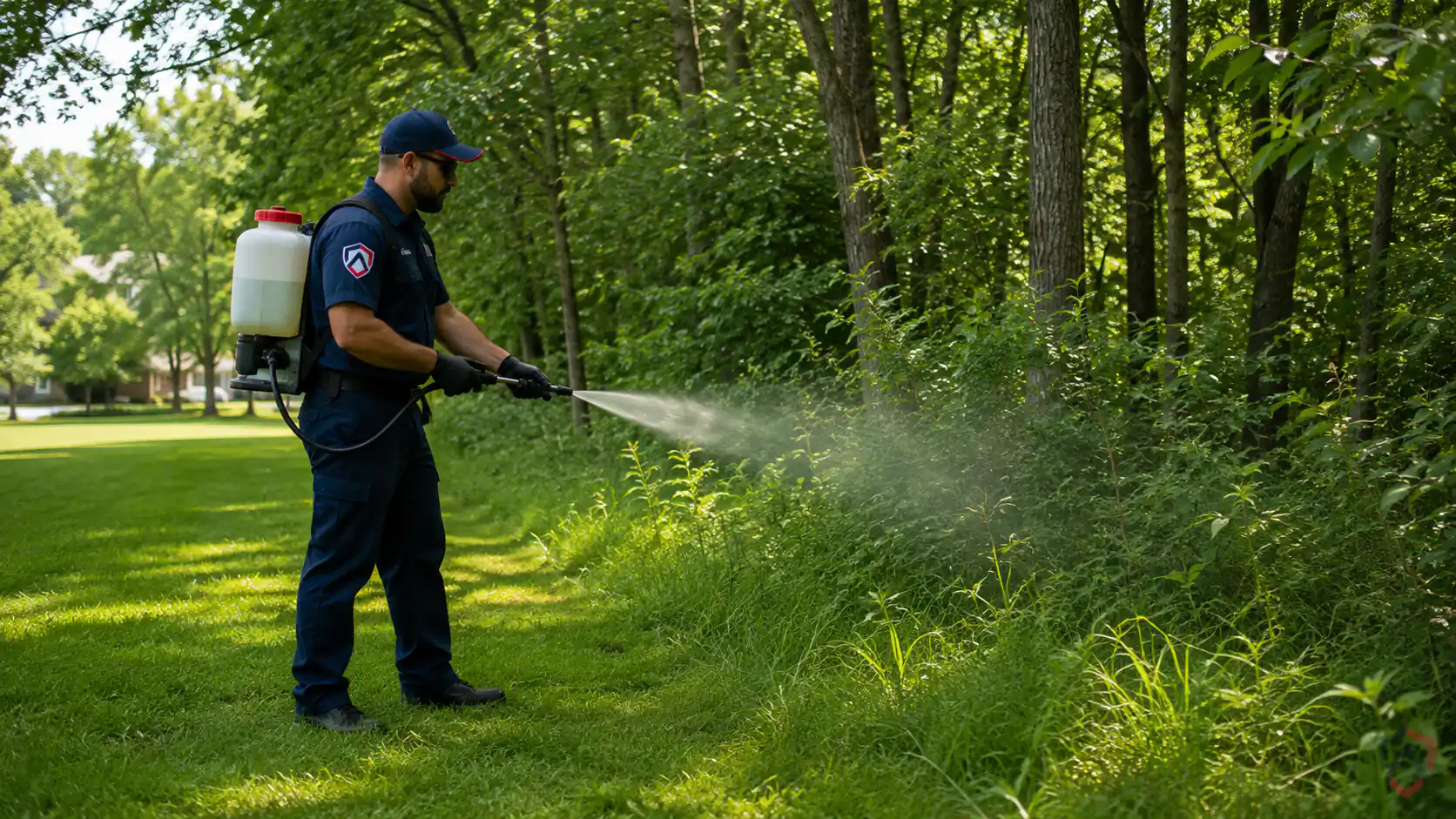
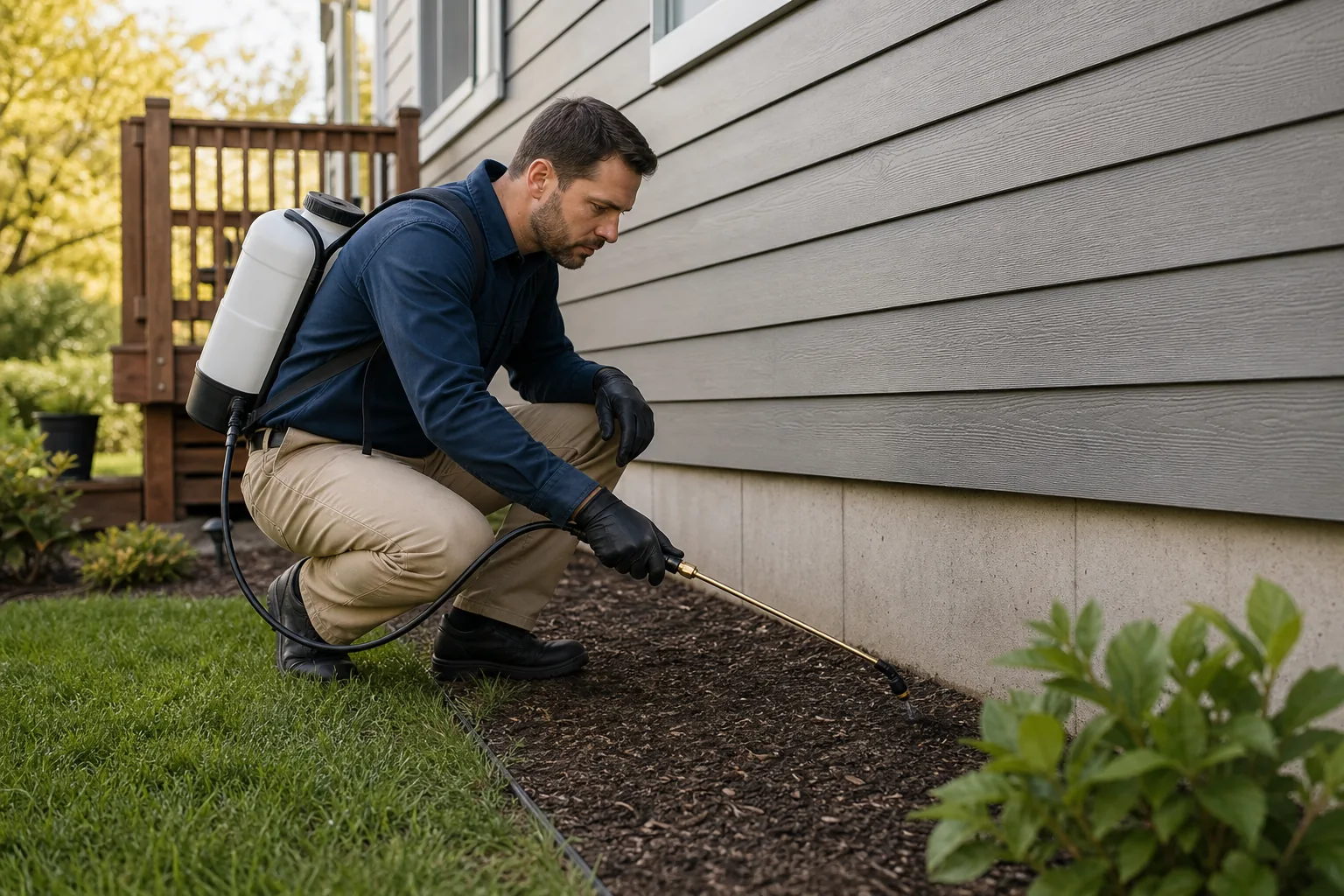
Targeted acaricide applications to the shaded perimeter, edge habitat, and leaf litter zones in late May and again in fall substantially knock down tick numbers where people actually contact them. We don’t blanket the open lawn; ticks aren’t there, and pollinators are.
The honest limits
No yard treatment makes hiking, gardening at the woodline, or walking the dog at Lebanon Hills risk-free, and even a treated yard isn’t a zero-tick yard when deer walk through nightly. Keep the personal habits: permethrin-treated shoes and clothing, repellent, daily tick checks (waistband, hairline, behind knees, on the dog), and showering after yard work. A tick removed promptly with fine tweezers is very unlikely to transmit Lyme.
Kids, pets, and the edge of the woods
If your household includes low-to-the-ground kids and a dog with woods access, the yard perimeter work earns its cost fastest. Ask your vet about tick preventatives for the dog too; we handle the habitat, they handle the animal.
Want to know where the tick zones are on your property? Ankora does free inspections across the Twin Cities metro. Call (651) 556-2666.
Seeing this pest around your home?
Ankora Pest Control offers a free inspection across the Twin Cities metro. We identify the problem, explain your options honestly, and only recommend what your home actually needs.