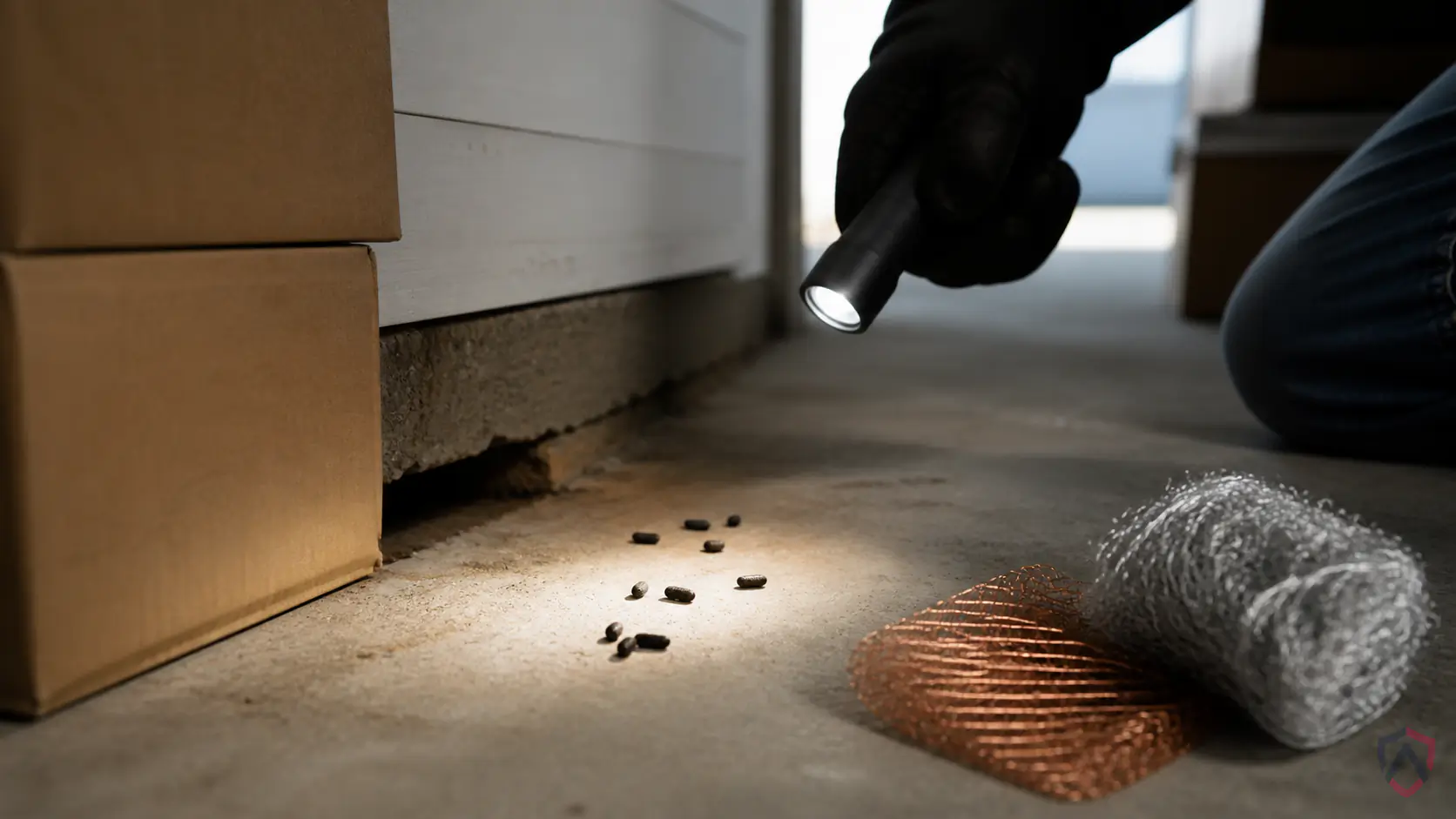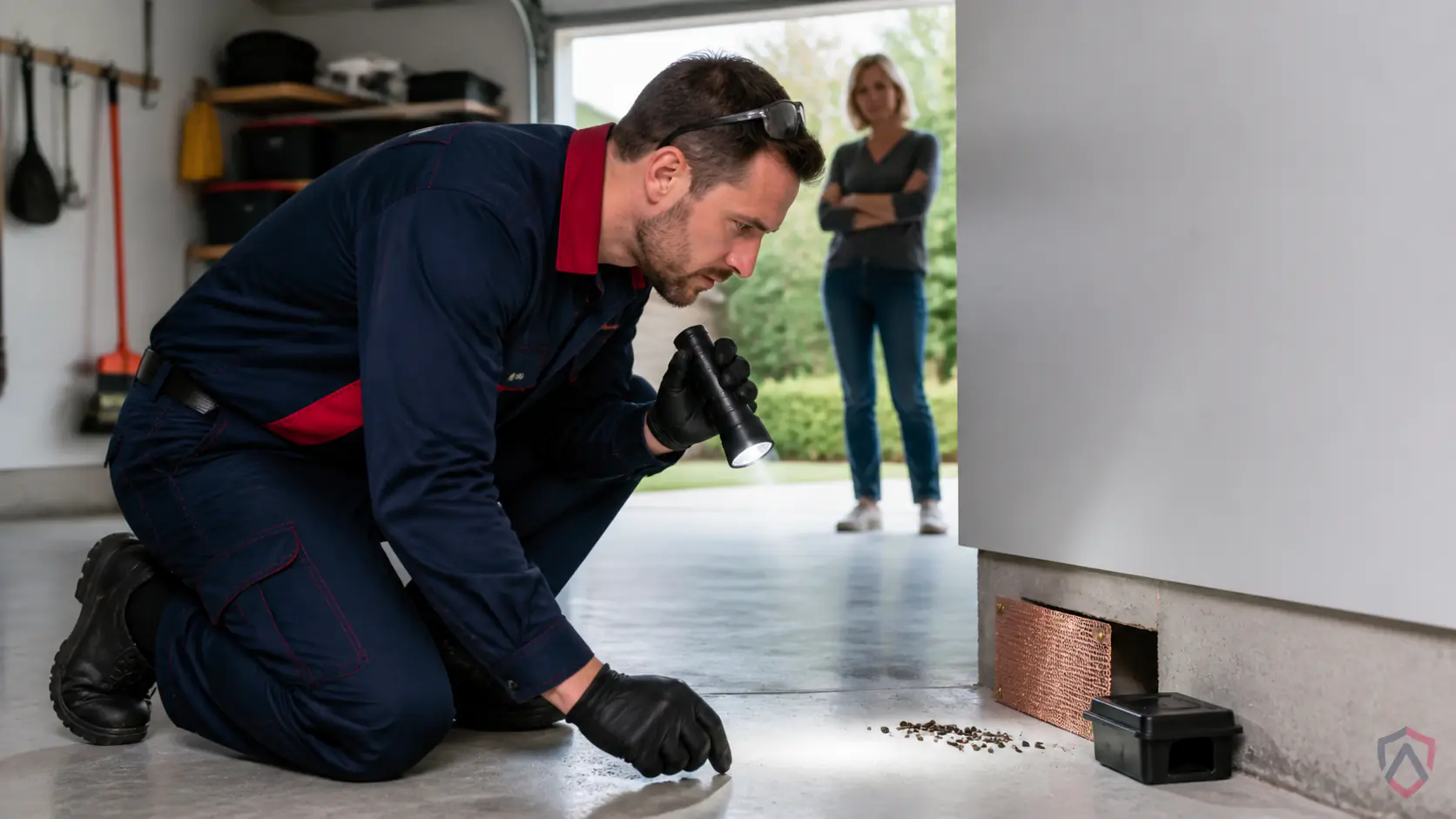
Finding droppings in the garage or under the kitchen sink raises one question that actually matters for what happens next: mouse or rat? The treatment plans are different enough that getting the ID right is worth two minutes of unpleasant close inspection.
The quick visual test
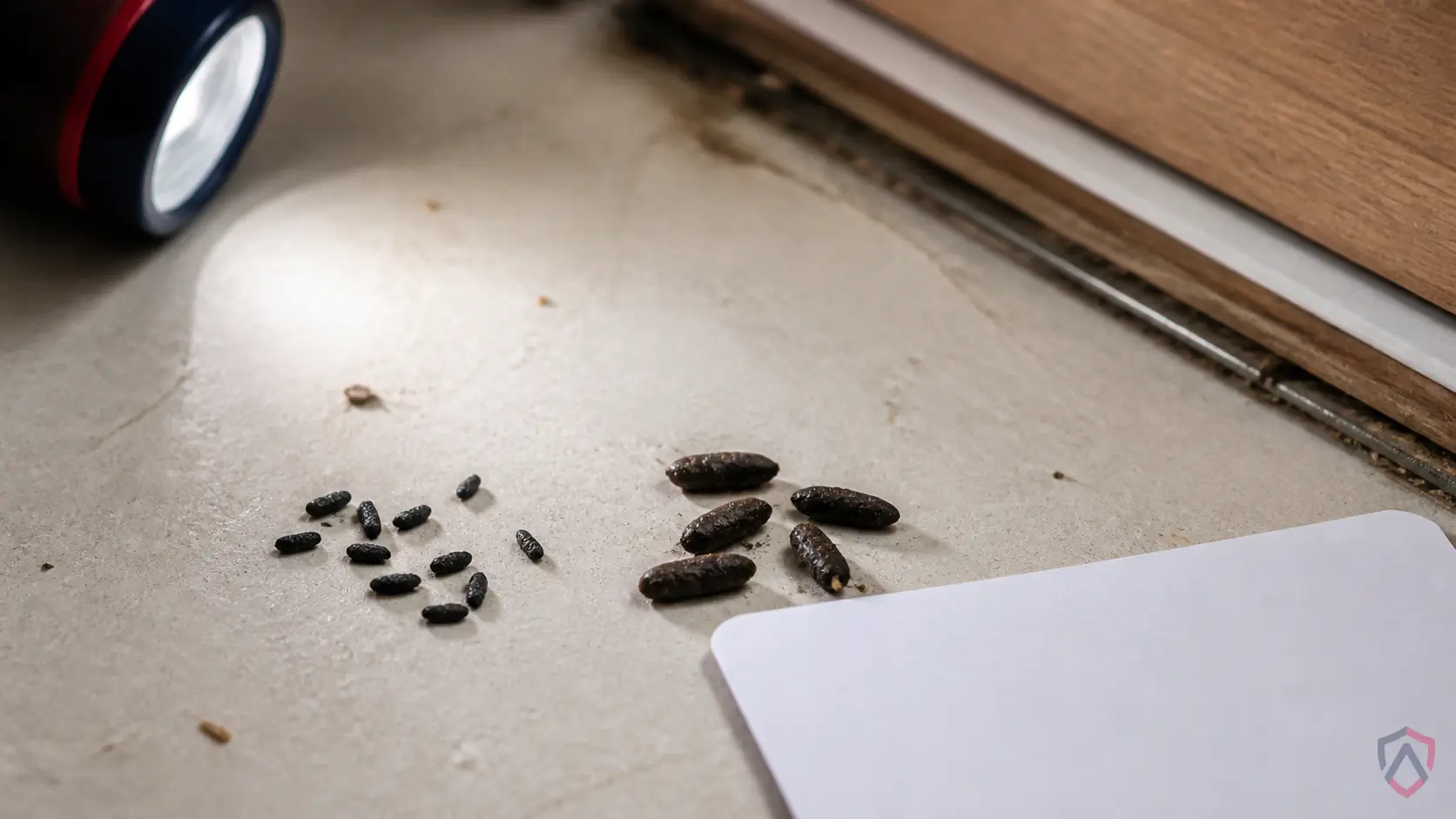
- House mouse: droppings are 3 to 6 mm, about the size of a grain of rice, with pointed ends. You’ll usually find lots of them, since one mouse leaves 50 or more pellets a day, scattered along walls, in drawers, and under sinks.
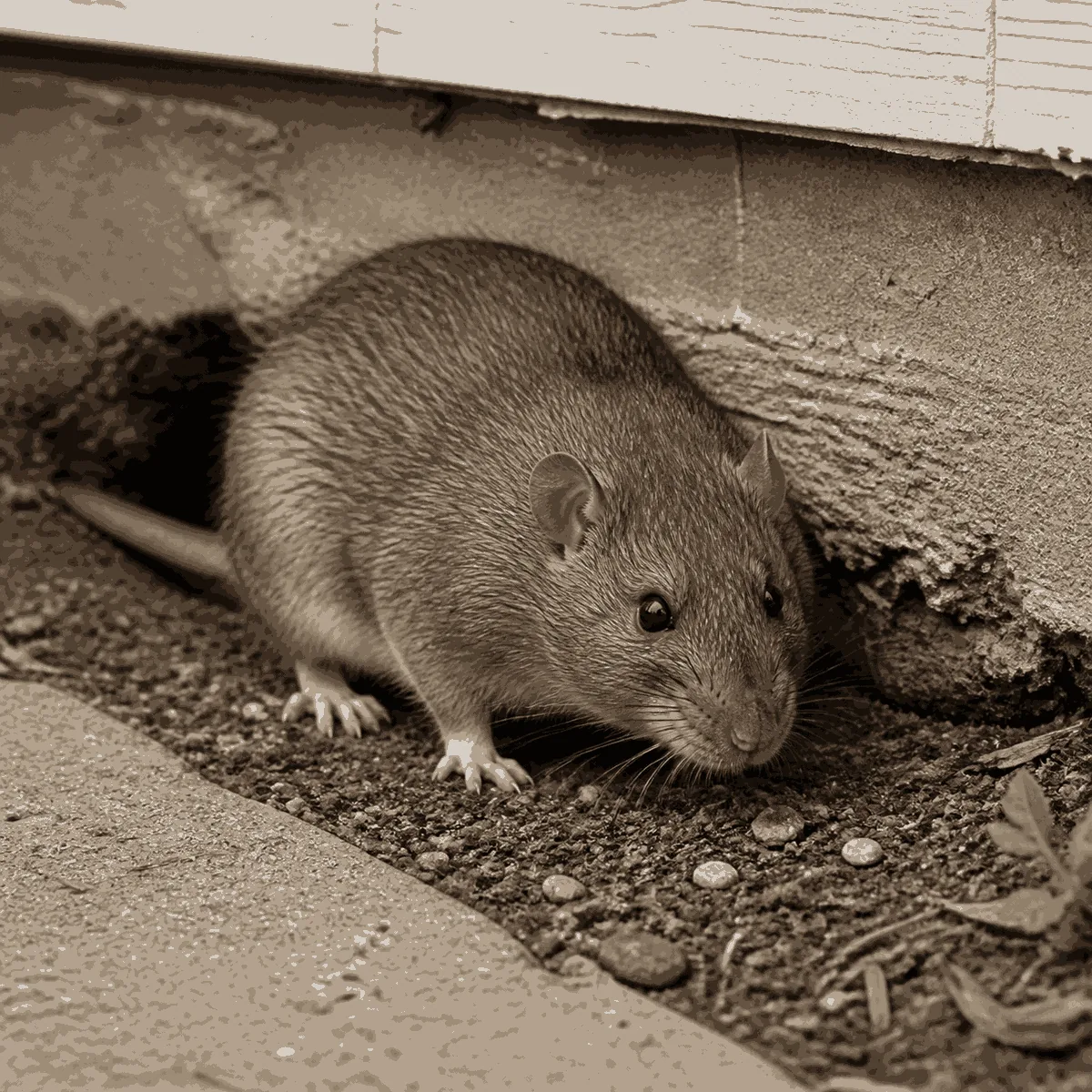
- Norway rat: droppings are much bigger, 18 to 20 mm, the size of a raisin or an olive pit, blunt on the ends and often slightly curved. Fewer, in concentrated spots along their regular runs.
Fresh droppings from either are dark and glossy with some give. Old ones turn gray and crumble. That aging test tells you whether you have current activity or a historical problem.
Location tells a story too
Mice live close to their food, often inside walls, garages, and kitchen cabinetry, so droppings show up in dispersed indoor spots. Norway rats in the Twin Cities tend to burrow outdoors, under slabs, decks, and sheds, and travel to food. We see the most rat pressure in Minneapolis and St. Paul neighborhoods with alleys, older sewer lines, backyard chicken coops, and heavy bird feeding. Rat droppings in a basement usually mean an entry point near grade, often around a foundation gap or an unused floor drain.
Clean up the safe way
Don’t sweep or vacuum dry droppings. That aerosolizes particles, and deer mice, the ones with white bellies that show up in cabins and homes on wooded lots, can carry hantavirus. It’s rare in Minnesota but documented, and the precaution is easy: ventilate the area, wear gloves, spray droppings with a disinfectant or 10 percent bleach solution, let it soak ten minutes, wipe up with paper towels, and bag everything.
Why the ID changes the plan
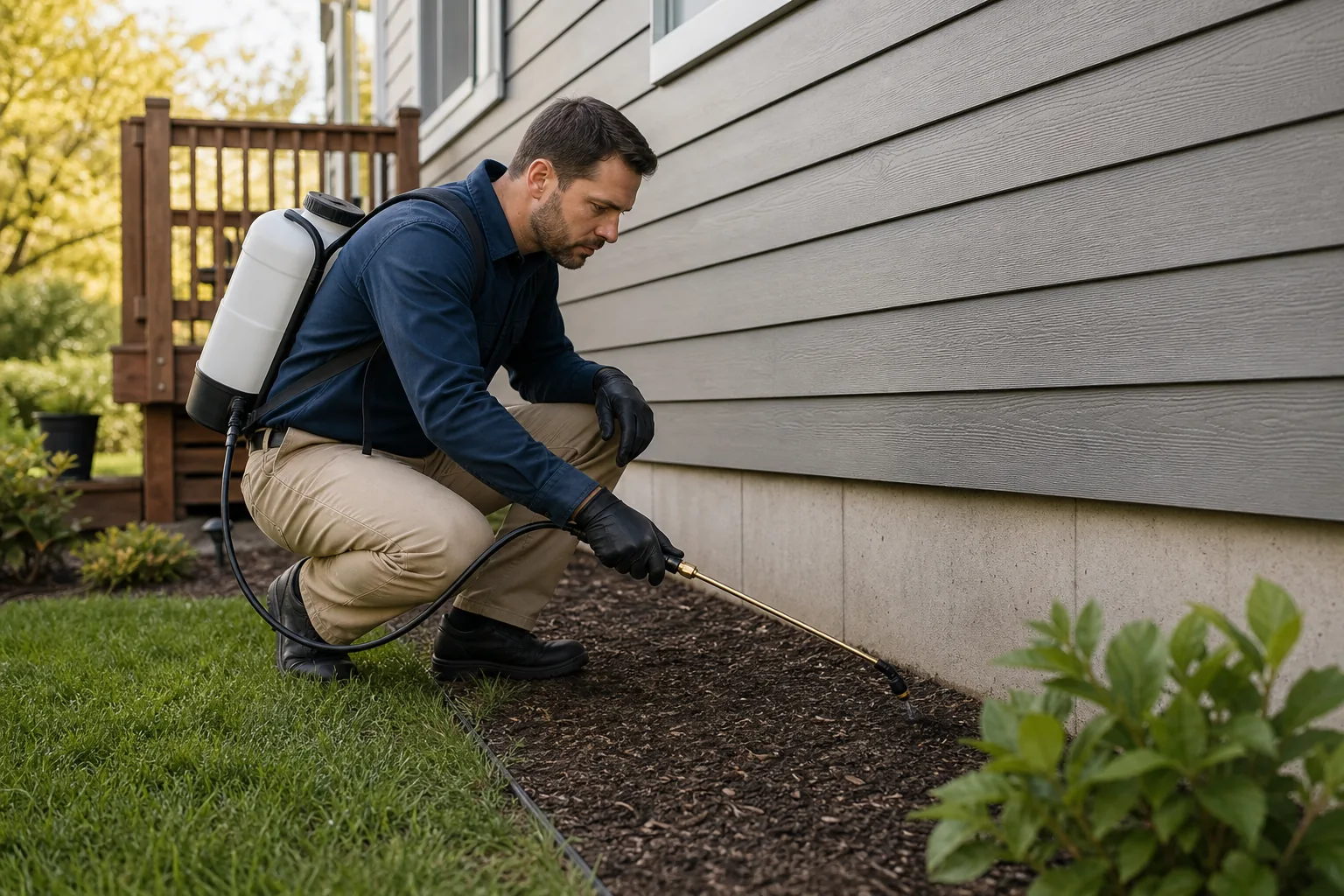
Mice need a gap about the size of a dime; rats need a quarter. Mouse jobs are heavy on sealing small gaps and trapping indoors. Rat jobs lean on finding burrows, exterior baiting or trapping, and fixing the sanitation draw, like spilled birdseed or accessible garbage. Mistaking one for the other wastes weeks.
One honest caution
Droppings alone can mislead. Juvenile rat droppings can pass for mouse, and vole droppings near a garage door can pass for either. If the evidence is ambiguous, look for rub marks, gnawing, and tracks, or let us sort it out.
Ankora does free rodent inspections throughout the Twin Cities metro. Call (651) 556-2666 and we’ll identify what left the evidence and where it’s getting in.
Seeing this pest around your home?
Ankora Pest Control offers a free inspection across the Twin Cities metro. We identify the problem, explain your options honestly, and only recommend what your home actually needs.