Tick Control & Yard Treatment
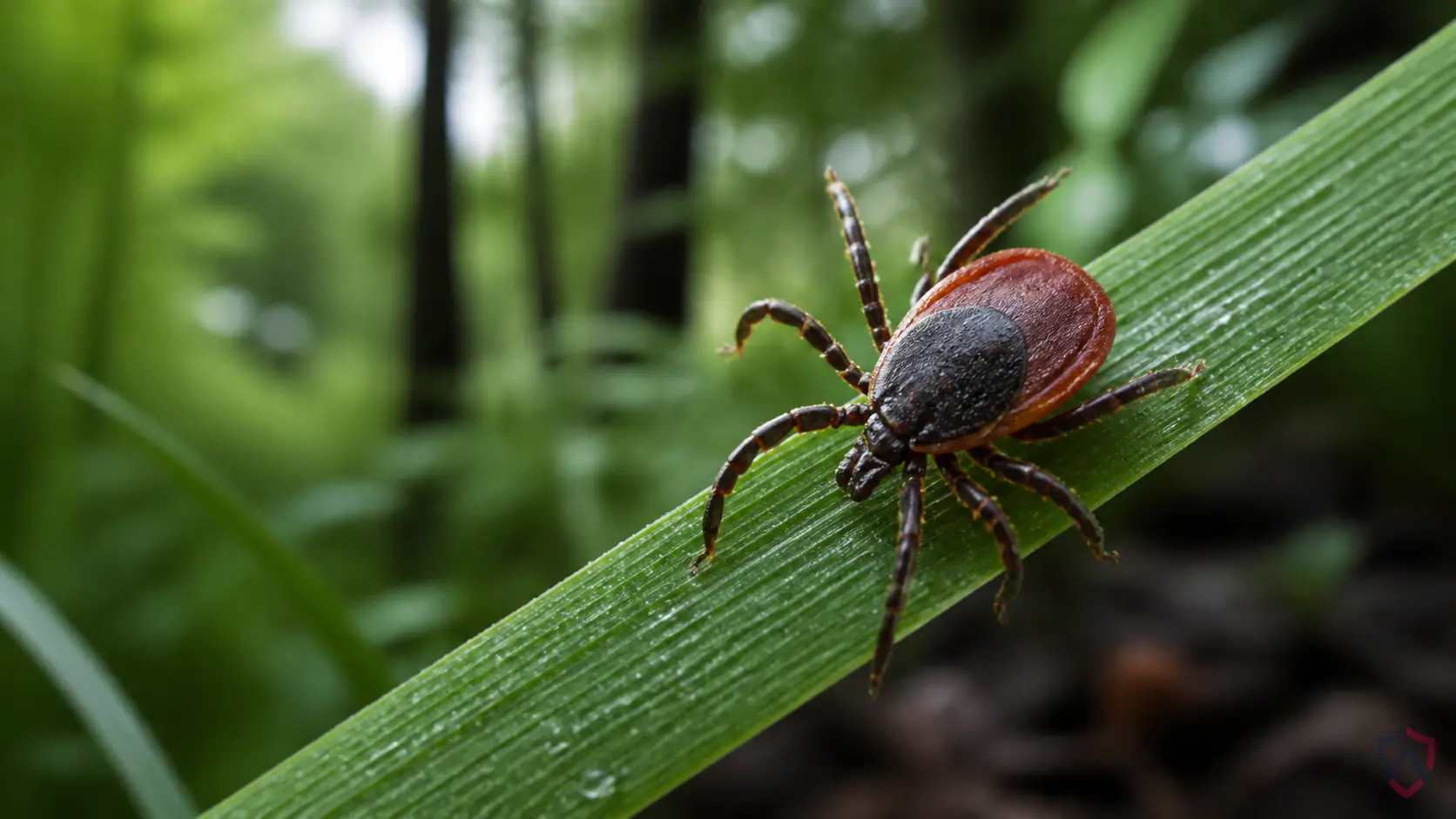
Blacklegged ticks, the ones that carry Lyme, are established across the Twin Cities metro, and June is when the poppy-seed-sized nymphs do most of the infecting. A yard program can’t make ticks extinct. Done right, though, it takes the tick pressure on your property down to a fraction.
- Targets edge habitat: woodlines, tall grass, leaf litter
- Covers blacklegged (deer) ticks and American dog ticks
- Timed to spring nymph season and the October adult surge
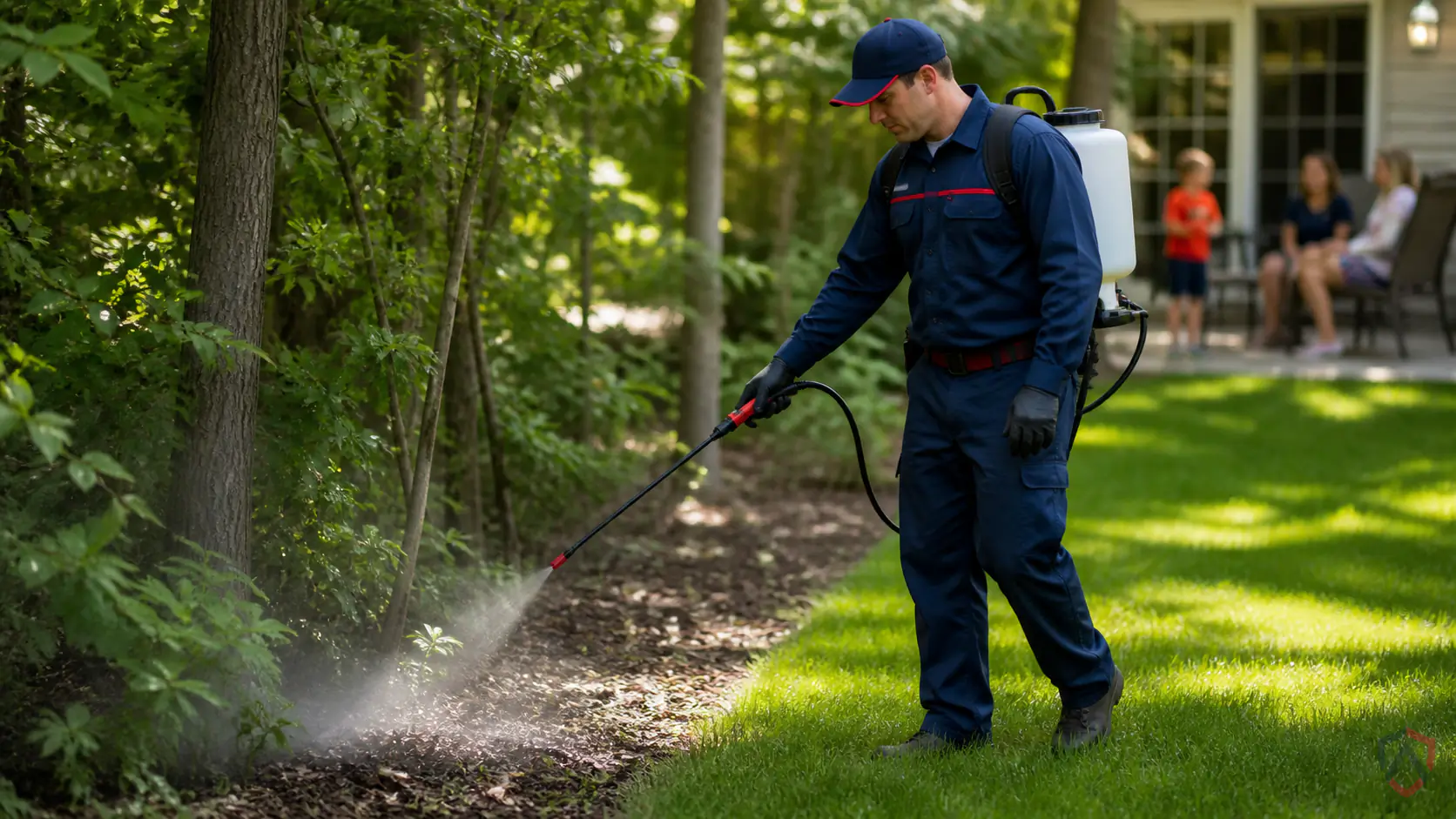
- Kids and dogs back on the lawn once it’s dry
- Licensed, bonded & insured
- Free inspections
- Same-day service
- Re-service guarantee
- Eco-friendly methods
What actually lowers tick counts
We treat where ticks live
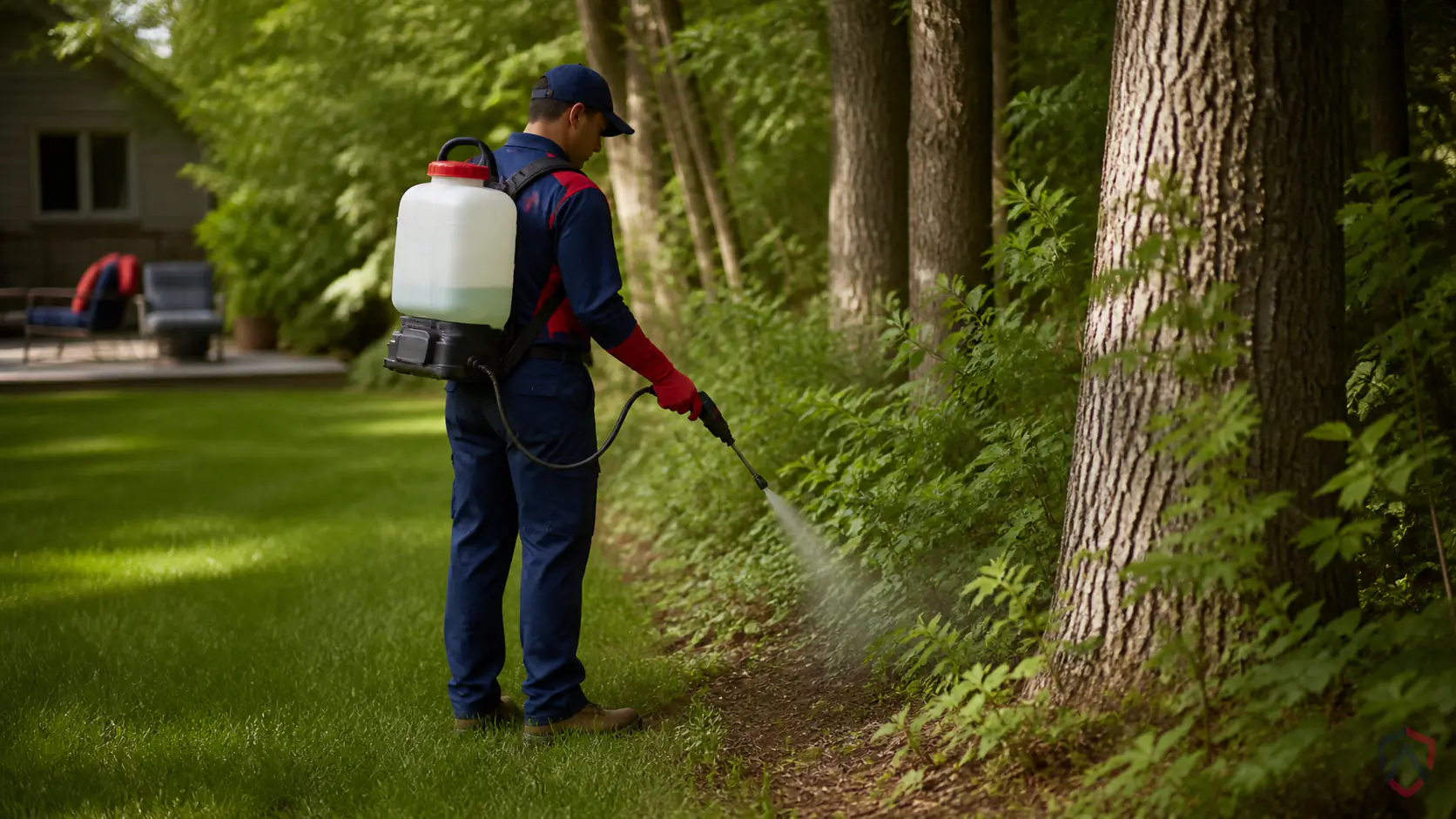
Ticks dry out fast in a mowed, sunny lawn, so blanket-spraying the middle of your yard wastes product and your money. The perimeter is the fight: the woods edge, the tall-grass fence line, the leaf litter under shrubs, the shady corner by the playset.
Timed to the tick calendar
Nymphs peak May through July, then adult blacklegged ticks come back out in October, right when everyone assumes the season’s over. Our schedule brackets both, typically three to four visits, instead of one feel-good spray in April.
Habitat fixes included
Every visit ends with a walkthrough: where a three-foot wood-chip border would break the migration route, which brush pile is a rodent hotel (mice are the Lyme reservoir), what to mow shorter. Some of the best tick control is free advice.
The Ankora guarantee
Every program starts with a free yard inspection and carries our re-treat guarantee on the application itself. One honest asterisk: nobody can promise you’ll never see a tick again, because deer and mice keep importing them. What we stand behind is a large, sustained drop on your property, and free re-treatment if a covered application isn’t holding.
- Same-dayscheduling available
- $0re-service between visits
- 25+Twin Cities communities
- Freeinspections, always
Questions people ask before booking
Perimeter treatments consistently cut blacklegged tick numbers on treated properties; field studies regularly show reductions well above half in treated zones, often much higher. Fewer ticks means fewer encounters. Keep doing tick checks after time outside anyway, the treatment stacks with good habits, it doesn’t replace them.
Once the application dries, typically a couple of hours in summer weather, treated areas are fine for normal use, and we’ll give you the exact re-entry time for that day’s product. We stay out of vegetable gardens and off blooms that pollinators are working. If your dog’s on a vet tick preventive, keep it going; belt and suspenders is the right call here.
First application in May as nymphs wake up, then roughly every four to six weeks through September, with a fall visit covering October’s adult activity. Missed the spring start? Beginning in July still pays off, since pressure drops within days of the first treatment. We also do one-time treatments ahead of a backyard graduation party or a wedding on the lawn.
Ready when you are
Book your free inspection online or call now. We confirm every appointment and handle it fast.
On the job
Ankora Pest Control in action