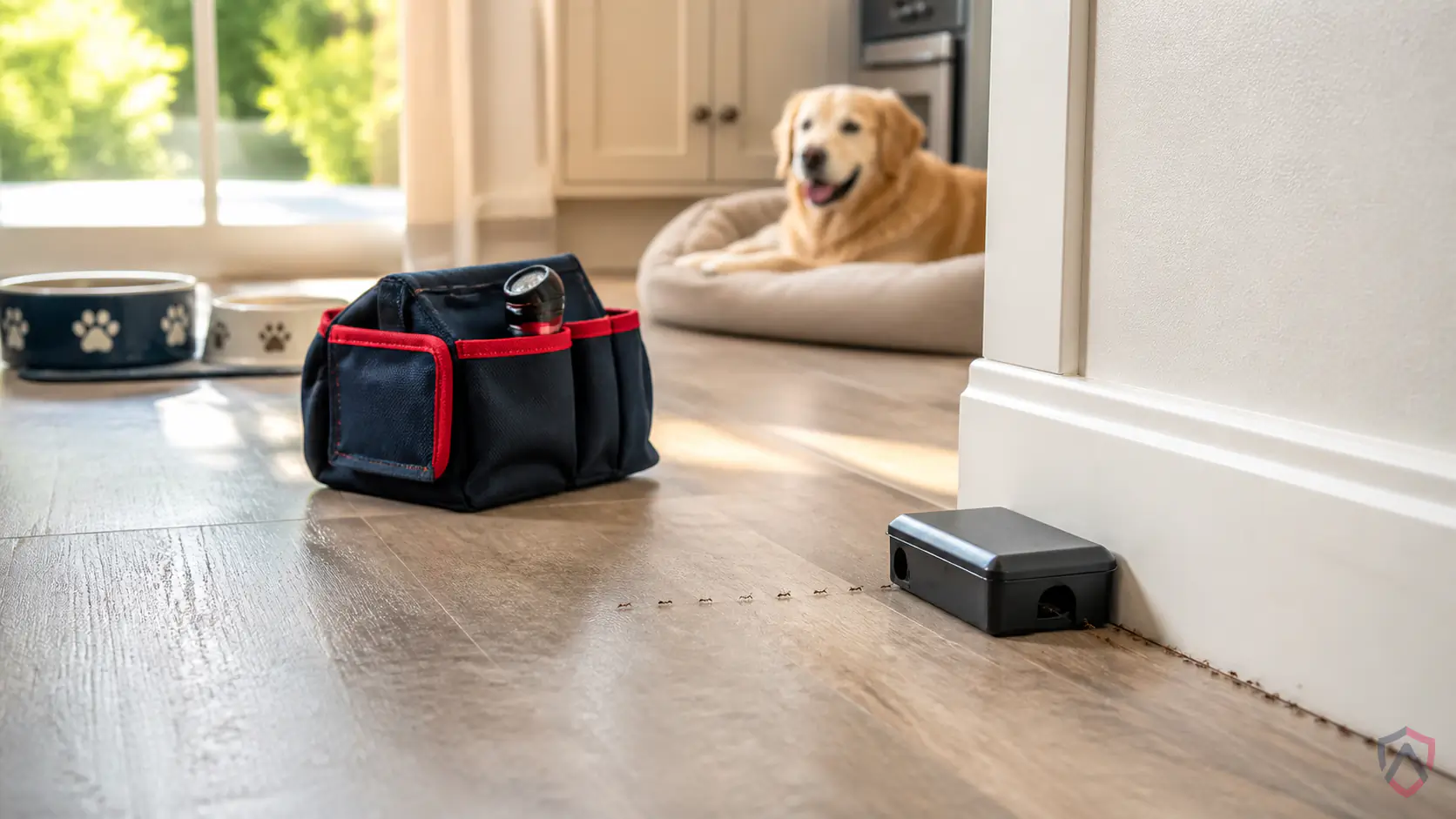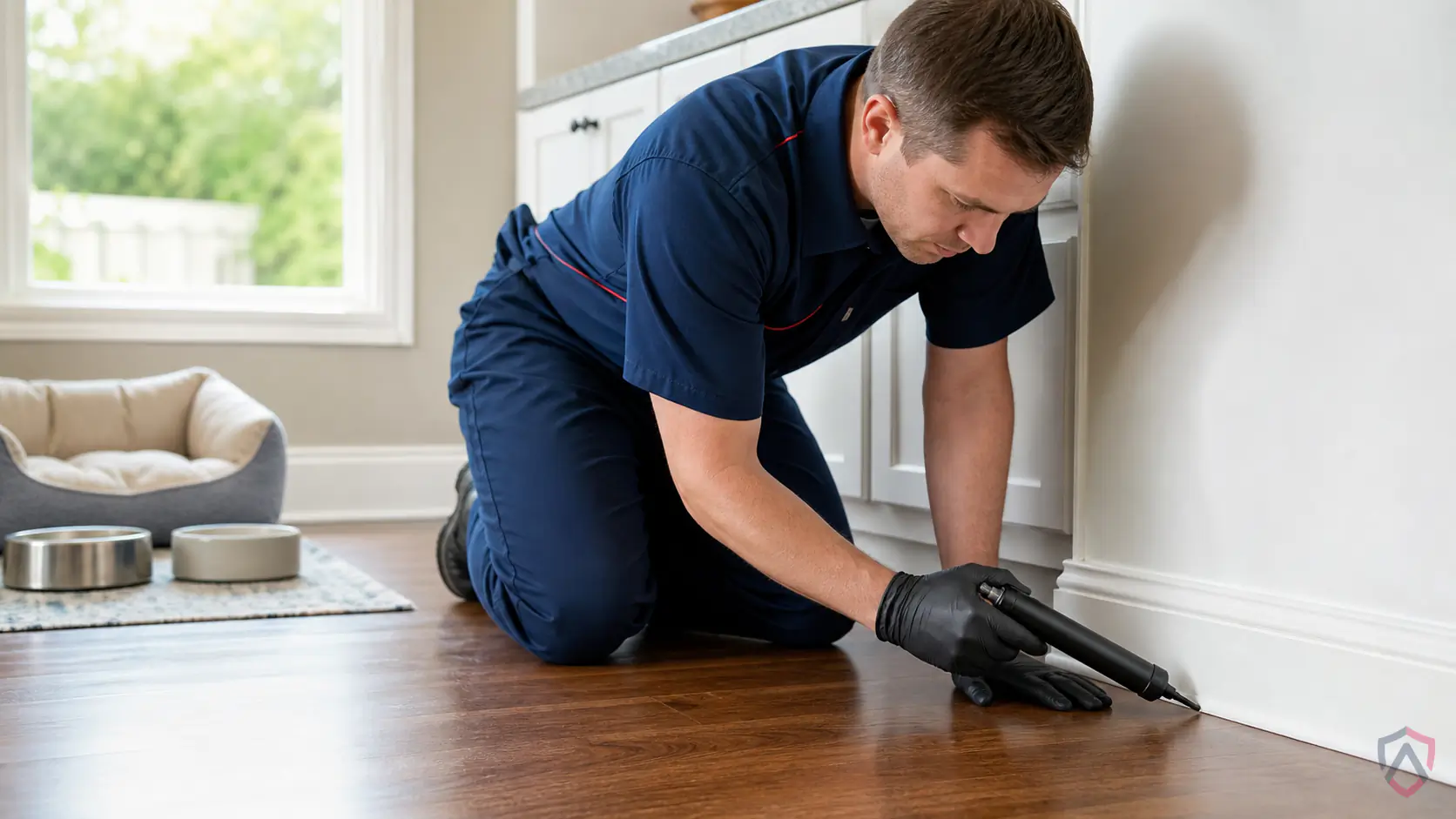
Roughly half the homes we service in the Twin Cities have a dog nosing along the baseboard or a cat supervising from the counter, so pet safety isn’t a special request; it’s the default way we plan an ant job. Here’s how it actually works, in plain terms, because vague reassurance isn’t the same as information.
Why modern ant control is compatible with pets
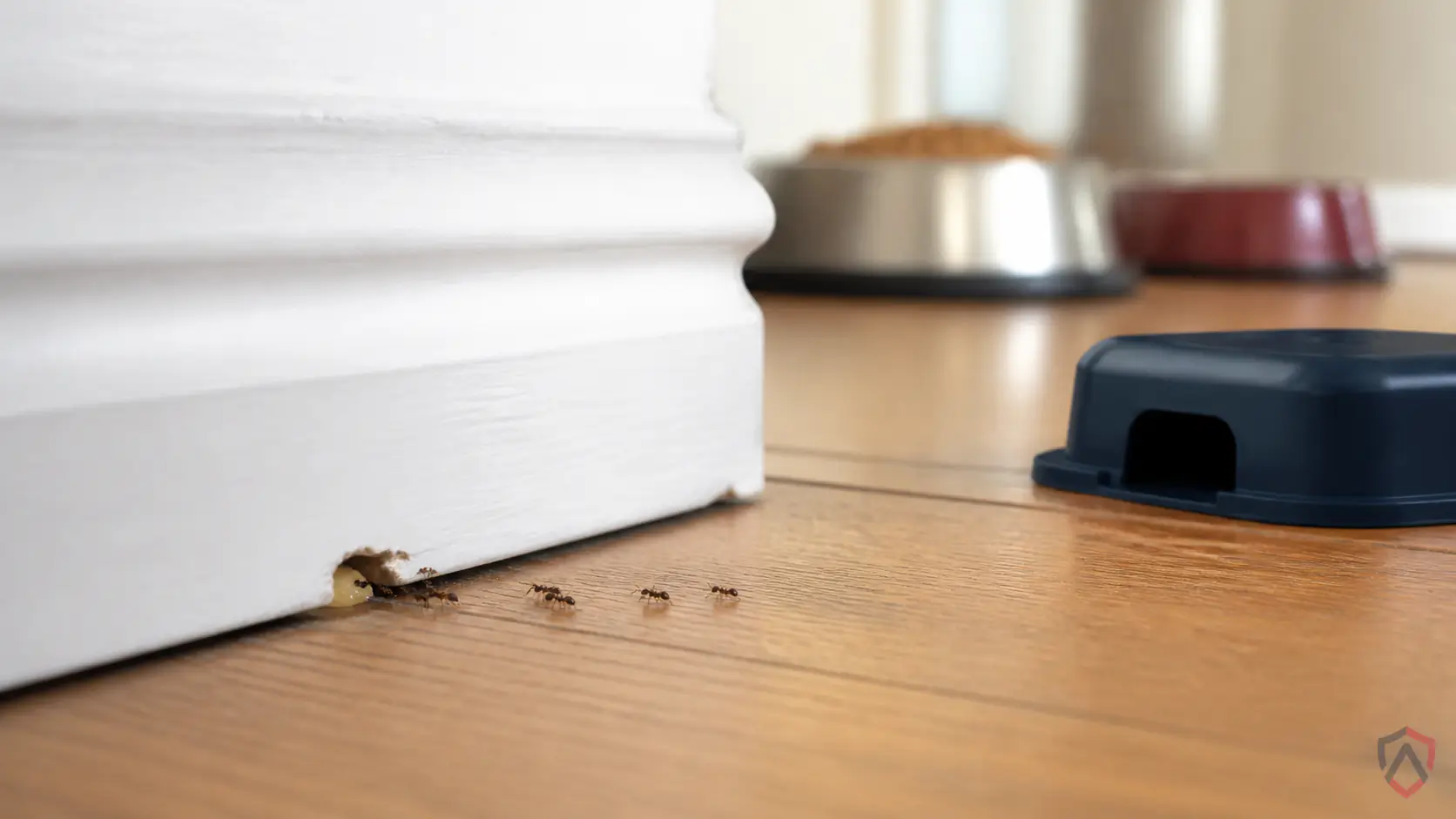
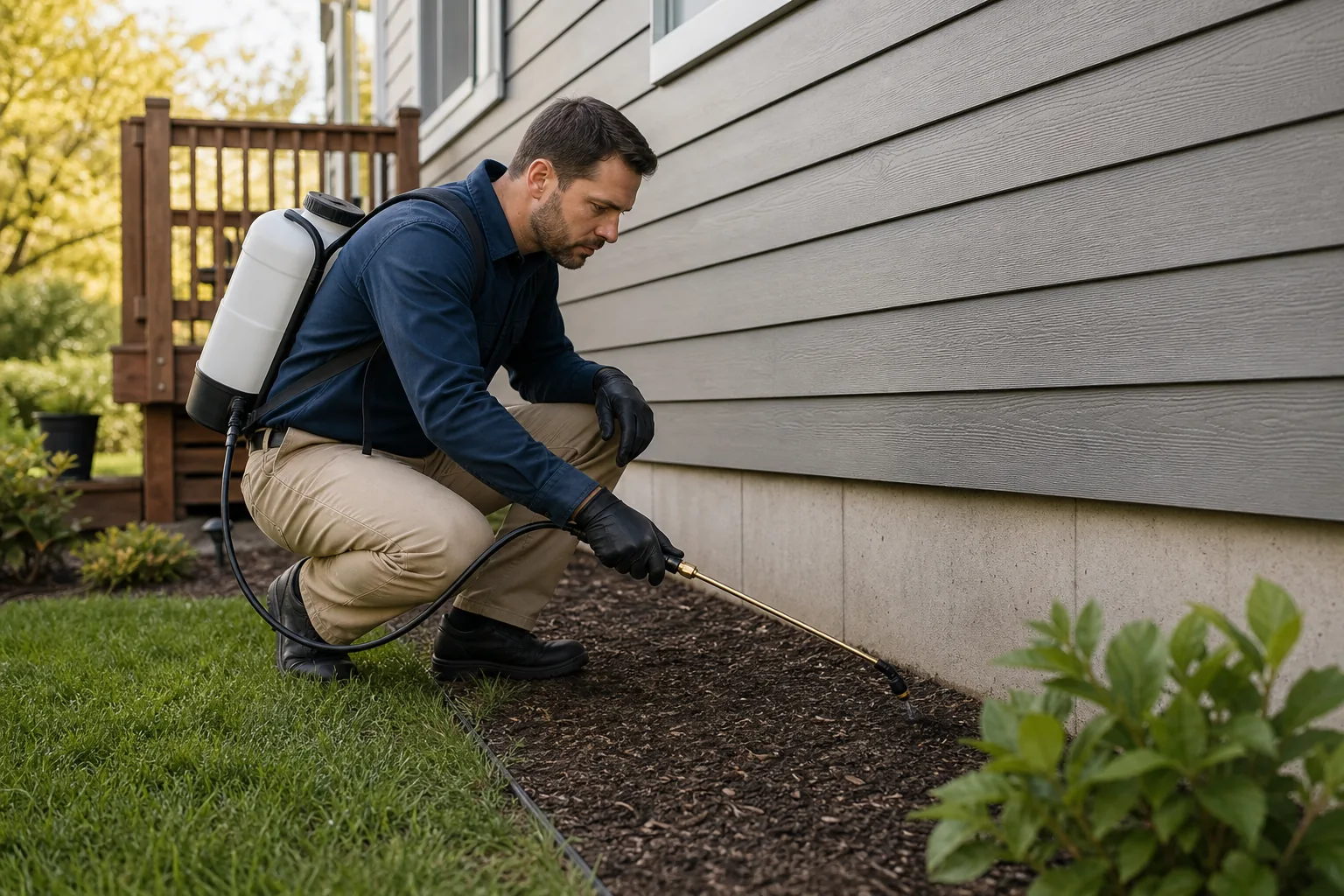
The old approach was broadcast spraying of baseboards, which put residue exactly where pets sniff and lie. Current best practice is nearly the opposite: small, precise placements of gel bait in cracks, behind appliances, inside cabinet hinges and wall voids, places a labrador tongue can’t reach. Baits use tiny amounts of active ingredient mixed with food attractant, and the placement point is that ants find it and pets can’t. Exterior work concentrates on the foundation band, entry points, and nest sites rather than blanket lawn spraying.
What we do differently in a pet household
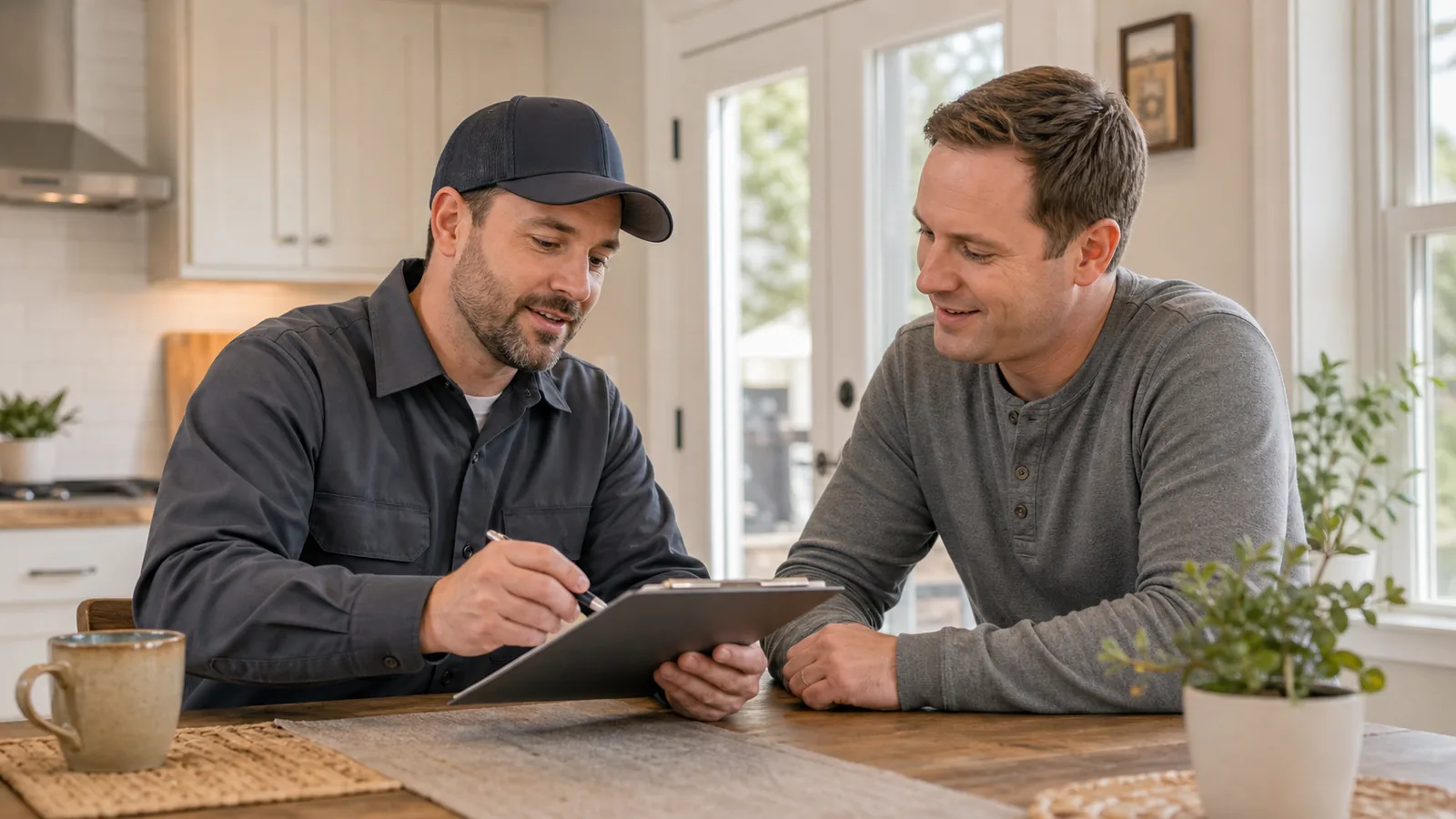
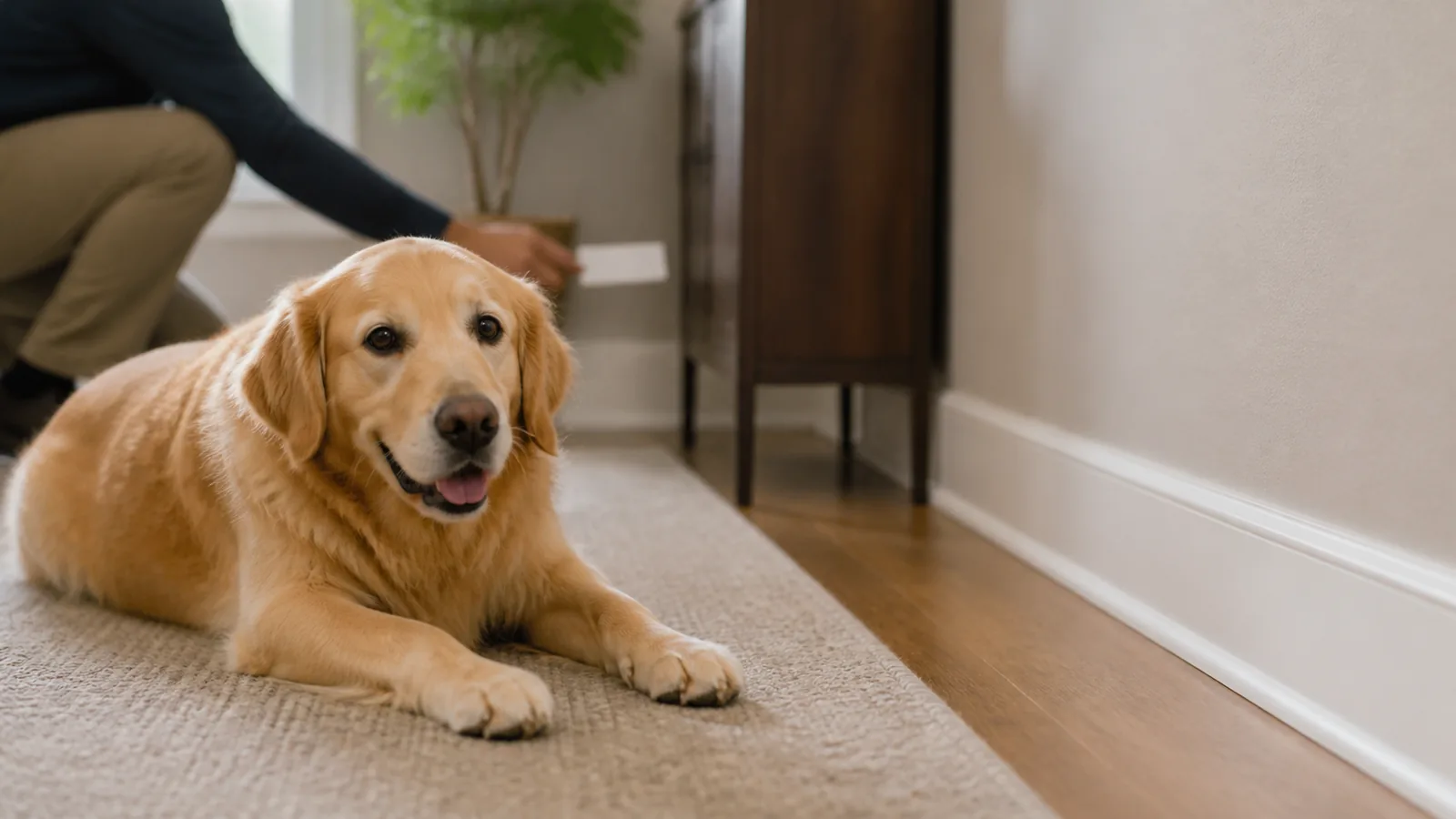
- Ask about the animals up front: species, habits, where they eat and sleep
- Move food bowls and water dishes before any application near the kitchen
- Use enclosed, tamper-resistant bait stations where an open placement could be licked
- Choose products and placements so re-entry time is short, and tell you exactly how long to keep pets off treated exterior areas, typically until dry
- Note everything applied, so your vet has specifics in the unlikely event of a question
The honest fine print
Two caveats worth stating clearly. First, pet-conscious does not mean edible. If a determined dog chews open a bait station, call your vet; the active amounts are small and stations are designed against exactly this, but honesty means saying it out loud. Second, a special word about cats and DIY sprays: permethrin, common in many store-bought insecticides, is significantly toxic to cats. Homeowners spraying their own baseboards around a cat are taking more risk than a professionally executed bait job ever would. That’s not a sales line; it’s toxicology.
Fish, birds, and reptiles
Aquariums and bird cages deserve extra care since both are sensitive to airborne exposure. We cover tanks, switch off air pumps during nearby application, and schedule around bird rooms. Mention them when you book and it’s a non-issue.
Questions to ask any company, including us
What product and formulation are you using? Where exactly will placements go? What’s the re-entry time? A company that answers specifically is planning around your animals. A company that just says it’s all safe is hoping you’ll stop asking.
Ankora is licensed, bonded, and insured in Minnesota, and the inspection where we plan all this is free. Call (651) 556-2666 and tell us who greets us at the door.
Seeing this pest around your home?
Ankora Pest Control offers a free inspection across the Twin Cities metro. We identify the problem, explain your options honestly, and only recommend what your home actually needs.